Lease Return Prep: Auto Body Shop Tips to Prevent Charges
Leasing can make ideal feeling when you like a brand-new car every couple of years and want foreseeable settlements. The catch reaches turn‑in. The examiner that satisfies your vehicle at the car dealership isn't guessing. They follow a matrix that prices wear thing by item, from curb‑rashed wheels to cracked glass. The distinction between a clean return and a surprise costs commonly boils down to what you perform in the last 60 days and which pros you involve. After years dealing with lease customers in the accident facility service, I have actually seen both extremes. Some motorists hand back a three‑year cars and truck that looks five years old and pay a lot. Others invest a few hundred dollars at a certified automobile body shop and wind with without a cent in fees.
What complies with is a sensible, experienced guide to assist you avoid fines, maintain control of expenses, and choose when to repair and when to leave it alone.
How lease-end inspections actually work
Manufacturers release wear and usage standards, normally available in your lease package or on the financing arm's website. They define "typical" versus "excess" wear by dimensions. A solitary windshield chip smaller sized than a quarter may be acceptable, however a crack that gets to the side of the glass is not. A damage smaller than a particular diameter without paint damages might pass, while a keyed door panel will not. Tires are gauged with a walk gauge, and the threshold is commonly 4/32 inch or more. Wheels with small scuffs could be disregarded on some programs, yet gouges that expose steel are frequently charged.
Inspectors work fast and constantly. They carry layouts, walk depth tools, and a tablet with prepriced line items. If your bumper has spider‑web fractures on the paint or the back quarter shows overspray, they'll note it. They do not haggle. They certainly do not factor in that the automobile "still drives fantastic."
An essential subtlety: if you arrange the optional pre‑inspection 30 to 60 days before turn‑in, the record offers you time to fix what issues. In many cases, if you deal with a thing expertly and offer a billing, the cost vanishes at final examination. That is your window to utilize a collision facility or vehicle body shop to your advantage.
Start 90 days out, not 9 days
The most costly lease returns I've seen are thrill tasks. Body shops get active, parts obtain backordered, and paint needs treatment time. Starting early lets you manage the plan.
At the 90‑day mark, gather the fundamentals. Read the wear guide for your brand. Confirm tire spec, brake pad minimums if detailed, and any type of lease‑specific policies concerning windshields, aftermarket devices, or missing out on equipment. Stroll your auto in great light after a laundry. Run your fingertips along bumper edges and door sides, where scuffs hide. Photograph anything questionable with a coin or small leader for range. After that, routine a pre‑inspection if your lender supplies it. Otherwise, a reputable vehicle body repair shop will certainly often conduct an informal testimonial and price quote at no cost.
Why laundry first? Dirt hides paint damages. I when saw a client decline a $300 bumper fixing because they assumed it was transfer, not scrapes. The lease assessor later wiped off the dust and recorded the two‑inch paint break. A quick clean and an honest look would certainly have transformed the decision.
What usually activates penalties
Patterns repeat across makes and models. While numbers vary by lender, the exact same classifications appear on practically every bill.
Paint and panel damage. Damages bigger than a half dollar, creases along body lines, paint chips that expose guide or metal, and any clear coat failing draw attention. On white vehicles, even little chips on the hood can resemble a constellation and obtain valued in clusters.
Bumper scuffs and fractures. Plastic bumper covers lose. Scuffs with color transfer typically rub out, yet textured cuts, leaks, or broken tabs generally require refinishing or replacement.
Wheels. Suppress rash past light surface area scuffing prevails and commonly charged per wheel. Machine‑finished wheels, with their fine lines, reveal damages a lot more starkly.
Glass. Windscreen chips near the chauffeur's field of view, long splits, and starred impacts are flagged. Small fixed chips usually pass if the work is clean and away from the edge.
Tires. Walk below specification, mismatched brand names on the exact same axle, or wrong dimension for the vehicle. Some slaves require all four to match brand name and version. Revolve too late and you can end up with 2 unequal pairs that fail together.
Interior. Cigarette burns, torn strengthens, pet claw marks, color transfer on lighter leather, or a busted cupholder can result in line products that add up.
Missing things. 2nd secrets, cargo covers, floor mats, charging cords for crossbreeds or EVs, and manual brochures go missing frequently. Each has a replacement rate that exceeds what you can source on your own if you act early.
Aftermarket modifications. Window color beyond legal limit, pierced holes from phone places, non‑OEM body packages, or suspension adjustments might need turnaround. Glue residue on dash panels from accessories shows up on reports greater than you would certainly expect.
What a crash facility can take care of affordably
Not every issue needs a complete panel spray or huge parts expense. A proficient vehicle body store keeps a toolbox of methods to match the damage and the lease threshold.
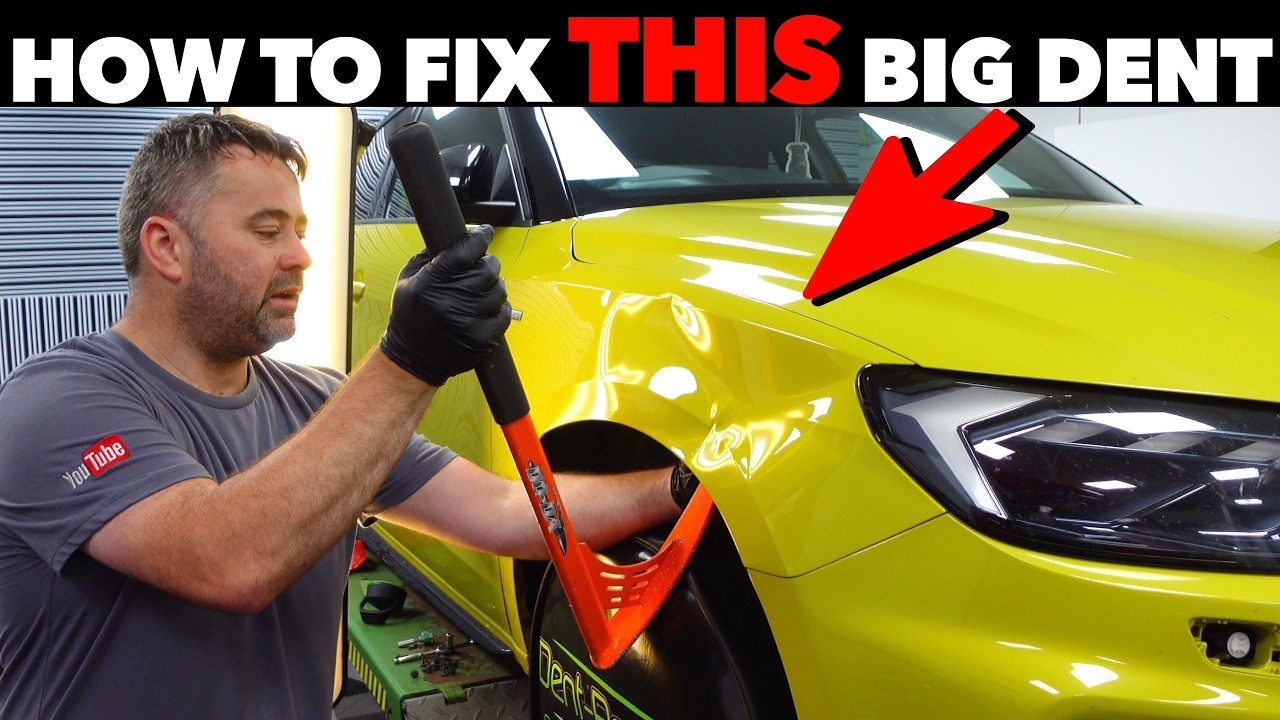
Paintless damage repair, or PDR, is the first relocation for door dings and tiny damages without paint damage. Specialists massage therapy the steel from behind or make use of glue pull techniques from the exterior. It avoids painting, which saves time and the danger of shade inequality. PDR can take care of nickel to quarter‑sized dings for fairly small cost in several markets.
Smart bumper repair service has actually come a lengthy method. For scuffs and scrapes that have not broken the plastic, we can sand, fill small lows, mix, and redecorate only the harmed section using computer‑matched color. That maintains the expense below full bumper replacement and usually looks identical to the naked eye. Where a bumper is cracked or a tab is broken, expert plastic welding and reshaping often saves the component. Request for a straight answer on whether the repair will meet the lease standard. If not, replacing with an OEM or high‑quality CAPA‑certified component makes more sense.
Wheel refinishing stores can re‑machine or refinish curb breakout and surface area gouges, sometimes without eliminating the tire. On machined wheels, the best shops restore the radial pattern, while repainted wheels can be fined sand and resprayed to match. Turn-around is usually one to 2 days per set.
Chip and scratch touch‑ups work if done effectively. Hood chips that reveal primer will certainly attract a fee if many. A mindful tech cleanses, fills with matched paint, and levels the location. While not unnoticeable from inches away, they pass inspections due to the fact that they seal the surface and recover shade. A low-cost dab from a container without leveling tends to look even worse and obtains noted.
Headlight repair can recoup clearness on UV‑faded lenses via sanding, brightening, and applying a UV‑curable finish. Replace just if lenses are fractured or braces are broken.
Interior repair services are extra offered than a lot of chauffeurs realize. Cigarette burns in towel can be patched and textured. Minor natural leather scuffs and little splits can be dyed and sewn. Trim scratches can be fined sand and regrained if plastic door ding repair Austin TX thickness permits. Clean before you repair, because deeply embedded dust can make dye job uneven.
Professional describing issues. A full paint purification, equipment gloss, and indoor deep tidy can camouflage light scuffs and dye transfer that would otherwise stand out. It likewise raises the perception of care, which never ever harms when a human is examining boxes.
When to repair, and when to walk
Not every flaw is worthy of a repair work bill. The objective is to spend much less than the penalty and return the car looking straightforward and well kept. Choosing typically comes down to three questions.
What will the examiner action? If the program allows 1 or 2 minor dings per panel under a certain size without paint break, leave them. If a dent goes across a body line or the paint is fractured, repair it.
What will the repair price relative to the fee? A bumper mix to handle scuffs could run a couple of hundred dollars and avoid a bigger replacement cost. On the other hand, changing a solitary wheel at retail to stay clear of a modest refinish cost rarely pencils out. Ask your body shop to reference common lease charges in your location, or contrast to your pre‑inspection report.
What's the danger of making it even worse? Well‑meaning touch‑ups and do it yourself damp fining sand trigger even more lease charges than they fix. If you punctured clear layer or leave uneven chunks, you create a new problem with a proof on your receipt. If you are not experienced, avoid it and allow a professional manage the visible areas.
I remember a customer with a black midsize SUV that had 3 minor door dings and a quarter‑panel scrape that cut through the clear. We used PDR for the dings at a moderate expense and blended the quarter panel. The total costs undercut the anticipated lease charge by approximately 40 percent. He returned the cars and truck without penalty. One more motorist tried to damp sand a bumper scuff on a white sedan, cut into the base coat, and pertained to us far too late. That ended up being a full refinish that still made sense, but the DIY attempt included labor.
Tires, brakes, and glass: the judgment calls
Wear products sit in a gray location since they serve safety and security as well as cosmetic standards. Examiners paintless dent repair Austin TX comply with the publication, yet you have options.
Tires. Most hostages need all tires to match the initial size and rate score, with step depth at or over the limit throughout the tire. You do not require to install top‑tier brands if your lease enables any type of comparable. If your fronts are fine and rears are low, examine whether the program approves axle pairs instead of all 4. If your cars and truck is within 2 months of turn‑in, purchasing exceptional tires frequently wastes money. A set of quality mid‑range tires mounted at a wholesale‑oriented shop generally pleases the examination. Your car body shop may suggest companions that price fairly.
Brakes. Some programs keep in mind metal‑to‑metal grinding or safety problems, however do not bill for pad thickness if above a minimum. If your brakes are due within 1,000 miles and you mean to maintain driving prior to turn‑in, replace them for security. Otherwise, a specialist assessment and documents can reveal they fulfill standards.
Glass. Repair chips early, months prior to return, due to the fact that fresh repair services are nearly invisible and price little. If a split goes to the side or into the driver's crucial seeing location, replacement is most likely. Use OEM glass if your brand is fussy, or high‑quality aftermarket if allowed. Maintain the receipt.
The function of a relied on vehicle body shop
Lease preparation is not a one‑size work. An excellent collision facility or auto body repair shop functions from the lease requirements in reverse. They request for your pre‑inspection report, your brand's wear overview, and your timeline. They suggest repairs that particularly remove line items the inspector would charge. They also inform you when to stop.
Shops that do a lot of lease job keep shade libraries for factory finishes, comprehend which wheels can be brought back versus replaced, and understand where assessors focus on each design. As an example, some brands are more stringent on texture and orange peel levels. Others are more lenient on bumper scuffs however hard on windshields.
Ask possible stores regarding their paint system and color‑match process, whether they provide documentation and photos for the lease documents, and exactly how they guarantee cosmetic job. Look for certifications from paint makers and I‑CAR training for specialists. These signals point to regular results.
Don't neglect the missing out on pieces
Penalties for missing out on items seem like salt in the wound because they are so preventable. Two tricks are normally anticipated. If you have actually lost a fob, rates differs commonly. Aftermarket locksmith professionals can configure lots of keys for less than the dealer, though some brand names lock that down. Freight covers are typically left in a garage corner. Return what came with the cars and truck: mats, billing cable televisions, tool package, spare tire or inflator package, even the tow hook. I have actually seen $250 line products for a basic freight floor panel and more than $400 for an EV billing cord that you can source made use of in exceptional condition for half that.
If you mounted devices, remove them easily. Fill up any kind of drilled openings with proper plugs and trim caps, not silicone balls. Sticky residue from dashboard places comes off with the ideal solvents and persistence, not a metal scrape that scars cut. A car body shop or detailer can manage this swiftly and shield soft plastics.
Detailing that relocates the needle
A meticulous information can lift a car from borderline to clearly looked after. The trick is doing what matters, denying a food selection package that brightens what nobody steps. Paint decontamination with clay or artificial gloves gets rid of ingrained grit, which allows a light device gloss to revive gloss and decrease the appearance of mini scrapes. For interiors, attention mosts likely to high‑touch surfaces: steering wheel, shift handle, seat strengthens, armrests, door draws, and the facility console. Remove carpets and mats to get rid of salt and coffee ghosts that inspectors log as stains.
Odors issue. Smoke and heavy pet smells invite much deeper scrutiny and can activate fees on some programs. Ozone therapy assists, but only after complete cleaning of surfaces and cabin filters. Masking with fragrances does nothing.
A note on engine bays: clean dust and eliminate fallen leaves near cowl drains pipes, however miss hefty dressings and water intrusion. Inspectors do not open the hood on lots of programs, and a wet engine bay can raise questions.

Edge situations and special vehicles
Luxury brands often have stricter cosmetic standards, and their inspectors look very closely at wheel finishes and indoor trim. If you rent an efficiency model with larger wheels and low‑profile tires, check sidewalls for scuffs and bubbles early. Those can stop working without evident tread wear concerns. For matte paint options, do not polish or spot‑paint casually. Matte systems need particular items and processes. A store with matte experience is essential, or you take the chance of turning a tiny scuff into a shiny patch that forces a panel repaint.
EVs and plug‑in hybrids add the billing cord and, for some, a portable EVSE with an instance. Batteries are not checked the way tires are, yet any broken underbody panels or missing out on aero shields will be noted. Aftermarket covers can secure initial paint, yet removal close to turn‑in need to be prepared. Low-cost plastic tears and leaves sticky. Budget time for safe elimination and a light gloss to also the surface.
Commercial leases and fleet returns in some cases utilize various matrices. If your car brings well-known graphics, remove them well in advance and address ghosting or paint fade lines. A store can blend or polish to reduce differential gloss.
A useful, very little prep schedule
Use this as a basic, time‑anchored plan that a lot of vehicle drivers can follow without overcomplicating the process.
- At 90 days: Read your lease wear guide, clean the cars and truck, do a cautious self‑inspection, and arrange the main pre‑inspection if supplied. Schedule a consultation with a relied on auto body look for a 2nd set of eyes.
- At 60 days: Approve cost‑effective repair services that remove likely charges, such as PDR for dings, bumper refinishing, wheel fixing, and touch‑ups. Order any type of missing out on products like keys or freight covers.
- At thirty day: Address tires if below specification. Repair windshield chips or plan substitute if broken. Remove aftermarket accessories cleanly. Arrange detailing for one to 2 weeks prior to turn‑in.
- At 2 week: Total detailing, including light machine gloss and indoor removal. Validate both secrets, guidebooks, mats, and chargers are in the vehicle. Evaluate all lights and attend to any kind of warning lamps.
- At 3 days: Quick clean, vacuum cleaner, and wipe surfaces. Recheck for new door dings from everyday car park. Maintain receipts and fixing paperwork in a folder to offer at turn‑in if concerns arise.
Common misconceptions that cost money
I listen to a couple of misconceptions consistently. They result in avoidable fees.
The supplier will calm down due to the fact that I have actually leased three cars and trucks from them. Assessors are third parties and follow a standard sheet. Your commitment matters to the sales team, not to the person with the tablet computer and determining template.
Touch up pens fix everything. They have their place, but they are crude. On high‑visibility panels, a lumpy blob draws the eye more than a tiny chip. If you need to make use of one, use sparingly and level once cured, or let a professional handle it.
I'll just assert a person hit me in the great deal. Insurance policy insurance claims bring deductibles, possible premium boosts, and, if you submit late, delays that press you previous turn‑in. For sub$1,000 cosmetic concerns, private pay at a body shop often defeats a claim.
If I change one tire, I'm fine. Dissimilar tires can fall short assessment also if step depth is adequate. Check out the overview for brand name and pairing demands, and think about buying a great utilized matching tire so one is damaged and the program allows it.
They never ever check under the car. They do, specifically for oil leaks, hanging splash guards, or effect damages on reduced vehicles. If you have actually scraped a vehicle parking block and a plastic undertray is loose, take care of the clips. It is a quick, cost-effective save.
Working the numbers
Let's ground this in basic math. Intend your pre‑inspection notes the following: 2 curb‑rashed wheels at $175 each, a back bumper scuff at $450, a windscreen split at $650, and walk at 3/32 inch on the fronts with a substitute charge of $400 per axle. Left alone, you encounter about $1,850 in charges.
A sensible repair work path could be: wheel refinishing at $125 to $175 per wheel, bumper refinish at $300 to $500 depending on shade and sensor removal, a high quality aftermarket windshield at $350 to $500 if permitted by your program, and two mid‑range tires set up for $350 to $450. Even at the higher end, you are near or a little below the charge total amount. The included benefit is control: you can choose far better tires, make sure clean work, and avoid shocks. If your store can repair the windscreen chip early, you may save a lot of that line totally. Every instance is various, but the concept holds. When repair service top quality fulfills or exceeds the lease requirement, you typically appear ahead.
Communication at turn‑in
On the day you return the automobile, arrive with it tidy, with both keys, and with your repair receipts arranged. Be straightforward. Point out any repairs that dealt with products from the pre‑inspection. If the inspector inquiries a panel blend or a wheel redecorate, the invoice shows professional job, which normally shuts the matter. Photograph the vehicle when parked on the lot, including all four sides, wheels, the interior, and the odometer. Maintain these pictures and the last list for your records.
If a dispute occurs later on, you have paperwork. Financing arms can make blunders. A calm telephone call with referral to your pre‑inspection, repair invoices, and turn‑in pictures often fixes tiny discrepancies.
The silent value of preparation
Lease return fines feel impersonal, however they respond to prep work. You are not trying to make the cars and truck brand-new once more. You are straightening it with an agreed requirement at a reasonable price. A methodical check, targeted repair work from a trustworthy vehicle body store, and a good detail go a lengthy way. The result is a clean handoff, predictable funds, and a much better partnership with the dealer when you pick your following car.
If you remember just one thing, keep in mind timing. Give on your own 60 days and a qualified crash facility, and you will certainly stay clear of the majority of the pain I see when people clamber in the recently. The vehicle will certainly look right, the assessor will certainly nod, and you'll sign with self-confidence instead of writing an unforeseen check.